From Innovation to Commercialization
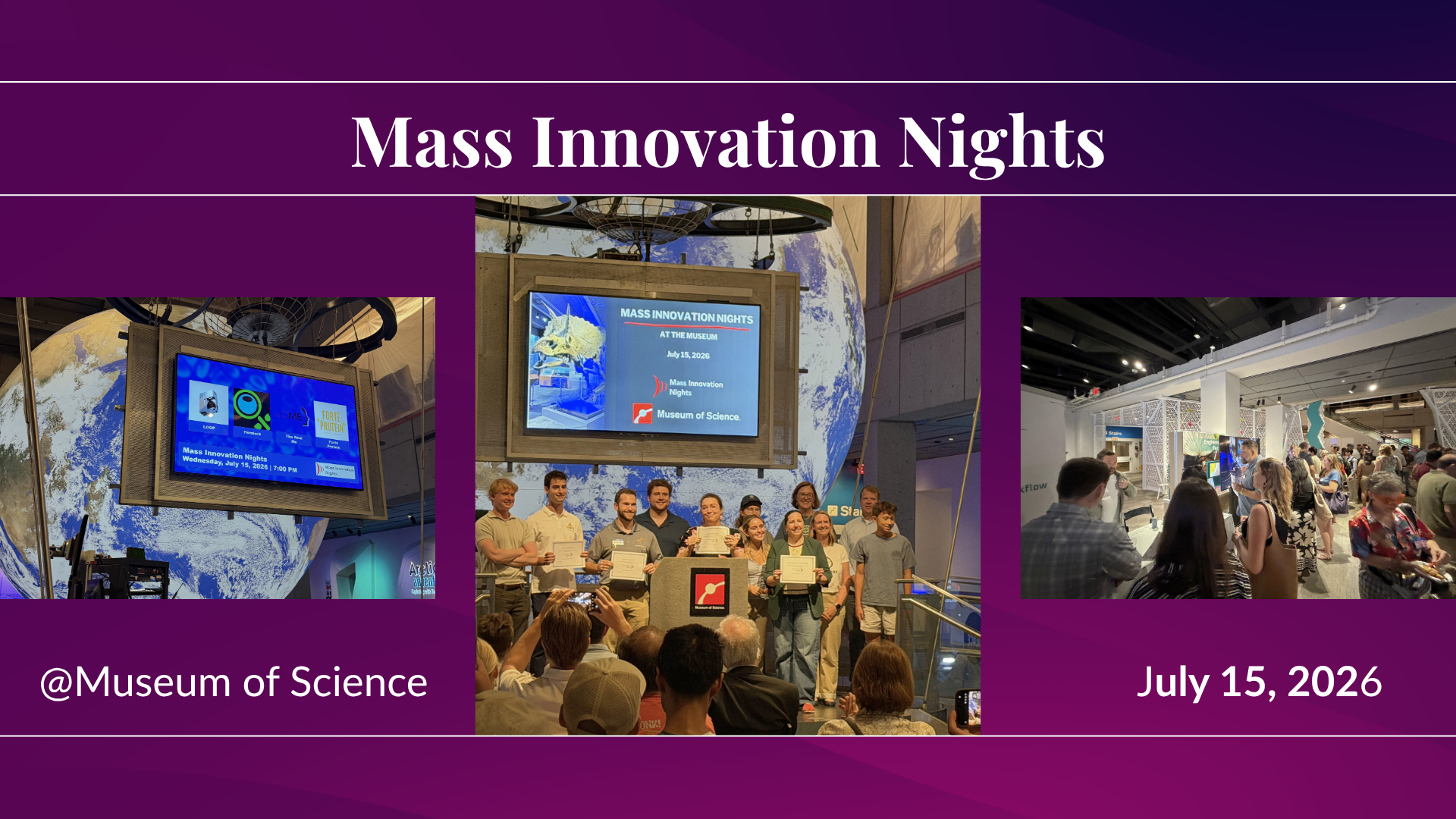
Go-to-Market Doesn't Happen in the Lab or Behind a Computer
Few experiences provide greater value than speaking directly with startup founders, hearing their stories and watching live product demonstrations. Last night, I attended Mass Innovation Nights at the Museum of Science in Cambridge, where emerging startups showcased their latest products and technologies. Walking into the exhibition hall, the strength and diversity of Boston’s innovation ecosystem were immediately visible. Startup booths filled the space, and founders were eager to introduce their solutions, explain the problems they are addressing, and share the objectives they hope to achieve.
Overcoming Growth Hurdles
Across software and physical product companies, I noticed one common obstacle. Many founders have strong technical expertise, innovative ideas, and impressive products. However, moving from product development to commercial growth requires a different set of capabilities.
Startups need structured commercialization strategies that address critical areas such as:
- Market positioning and competitive differentiation
- Marketing foundation and brand presence
- Business model and pricing structure
- Channel access and strategic partnerships
- Scaling infrastructure and operational readiness
During the event, several founders took the stage with their great presentations, including Forte Protein Marinara Sauce, Hemlock, The RealMe, and Loop. I also had the opportunity to speak with the founder of ProcedureMe and Eliza Petrow, Chief Business Officer at The Possible Zone, the incubator behind Loop.
Leveraging Executive Leadership
For many startups, building a complete executive team too early may not be practical. This is where Fractional CXO (such as Fractional CMO, CBO, CFO and CTO) leadership provides meaningful value for growing organizations. Experienced executives integrate seamlessly into the founding teams, helping founders make informed decisions during critical growth stages. Startups gain immediate access to deep industry expertise, accelerating go-to-market initiatives, building robust sales pipelines, and establishing scalable commercial foundations without the overhead of a full-time executive team.
Depending on the company's needs, fractional Chief Marketing Officer, fractional Chief Business Officer, and other executive leaders can help founders:
- Develop go-to-market strategies
- Strengthen positioning and messaging
- Build marketing and lead generation engine
- Identify partnership and channel opportunities
- Create commercialization roadmaps
- Establish scalable growth systems
The value is not simply additional support. It is access to strategic experience at the stage when the right decisions can significantly influence future growth.
Turning Innovation into Market Impact
The founders I met at Mass Innovation Nights have already taken the first step by transforming ideas into products.
Their next challenge is building the commercialization foundation that allows those products to reach the market, create customer value, and achieve sustainable growth.
Innovation creates possibilities.
Commercialization turns those possibilities into market impact.