U.S. Medical Device Trade Show Playbook
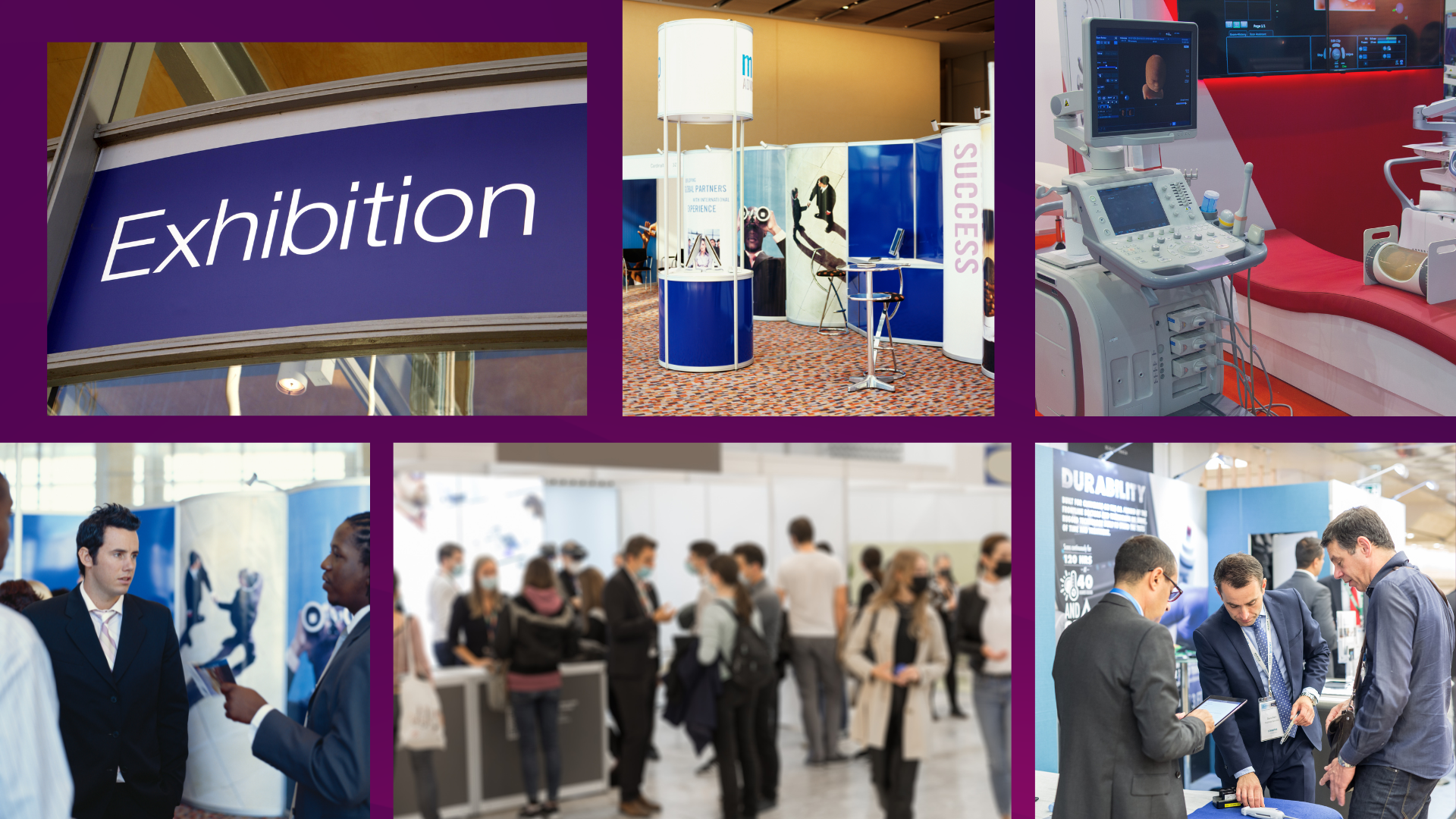
Trade shows represent a massive capital and time investment. For international medical device firms, these events are more than just a booth; they are the primary gateway to the world’s largest healthcare market. However, showing up is not the same as competing. Without a localized strategy, many firms spend six figures only to return home with a stack of cold leads and a generic "thank you" email.
Below is a strategic guide on how to avoid common pitfalls and maximize your presence in the U.S. ecosystem.
Why Trade Shows Matter in MedTech
Before diving into tactics, it is essential to understand the "why." Beyond simple sales, these exhibitions serve four critical functions:
- Ecosystem Integration: The U.S. market relies on a complex web of Group Purchasing Organizations (GPOs), Integrated Delivery Networks (IDNs), and clinical influencers. Shows are where these connections are forged.
- Clinical Validation: Opportunities to receive immediate feedback from U.S. surgeons and healthcare practitioners on product usability.
- Competitive Benchmarking: Observing how domestic competitors position their value propositions and learning from their strengths.
Pre-Show: Moving Beyond "Spray-and-Pray"
Common Pitfall: Treating the exhibition portal as a mere directory or sending generic cold emails to thousands of attendees.
The Strategy:
- Optimize the Digital Storefront: Your profile in the trade show portal is your first impression. Replace technical specs with clear clinical outcomes. What specific problem does your device solve for a U.S. hospital?
- Targeted Outreach: Ditch the spam. Segment your list into "Must-Meet" (potential partners/distributors) and "Clinical Leads." Send personalized invitations that mention a specific challenge their organization faces.
- The Tactical Briefing: A team meeting is not enough; you need a Rules of Engagement document. Define who handles "exploratory visitors" versus "qualified buyers," and establish a unified "Elevator Pitch" that focuses on strategic value rather than just "cheaper" hardware.
- Local Support: International logistics are complex. Having a local point of contact ensures someone is available to manage drayage discrepancies, coordinate with official show contractors, and make executive decisions if shipping delays occur.
At the Exhibition: Localize the Experience
Common Pitfall: Using literal translations and focusing exclusively on "closing a sale."
The Strategy:
- Banner Clarity: If a passerby cannot understand your value proposition in three seconds, your backdrop has failed. Use bold, problem-centric headlines like "Reducing Surgical Site Infections by 20%" instead of "Manufacturer of Grade-A Scalpels."
- The "Rehearsal" Standard: A product demo is a performance that requires a well-structured deck and multiple rehearsals. It is not just about language fluency; it is about demonstrating that the device integrates seamlessly into a fast-paced U.S. clinical workflow.
- Ecosystem Networking: Don't just sit in your booth. Use the time to identify potential strategic partners or observe emerging trends in AI, digital health or reimbursement.
- Real-Time Digital Presence: Use LinkedIn to document your presence daily. Tag partners and use event-specific hashtags to increase your visibility among the specific community attending the show.
Post-Show: The Fortune is in the Follow-Up
Common Pitfall: Treating the event as "finished" the moment you pack the crate.
The Strategy:
- Personalized Momentum: Avoid the "one-size-fits-all" email. Your CRM (e.g., Zoho or HubSpot) should track specific details from booth conversations. Mention a specific point discussed to rebuild that personal connection.
- The Strategic Wrap-Up: A proper report should include an Impact Analysis. Beyond the "Qualified Client List," it must address:
- U.S. market sentiment toward your product category.
- Competitor pricing or feature shifts observed.
- Strategic recommendations for the next 6–12 months.
- The "Extra Mile" Visit: Plan your travel to include 3–4 days post-show for site visits. Flying to a potential client’s office in the U.S. while you are already on the ground signals a level of commitment that a Zoom call never will.
The Strategic Solution: U.S.-based Fractional CBO
For many global firms, the biggest hurdle is the lack of a permanent U.S. presence. Hiring a U.S.-based Fractional Chief Business Officer (FCBO) serves as a critical interim step.
An FCBO provides the high-level strategic oversight needed to navigate the U.S. market without the overhead of a full-time executive. They act as your local lead, managing your professional communication, refining your GTM strategy, and ensuring your brand resonates with U.S. stakeholders long after the trade show floor has closed.